Classic Christmas Decoration: A Designer’s Review
As an embroidery designer who has spent countless weekends behind a craft fair table, I know that the difference between a browsing customer and a buying customer often comes down to visual impact. When I first loaded the Classic Christmas Decoration machine embroidery design into my software, my immediate goal was not just to admire the art, but to judge its viability as a high-volume craft fair product. The description promises a modern and unique aesthetic ideal for exquisite Christmas sewing projects, which is a bold claim in a market saturated with traditional holiday motifs. After running test stitches and evaluating its potential across various substrates, I am ready to share my professional assessment of how this design performs in the real world of handmade sales.
First Impressions and Visual Appeal
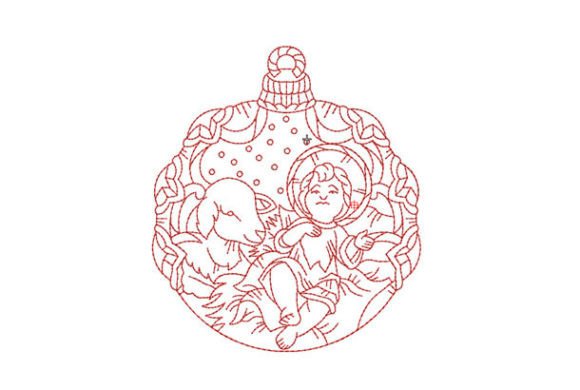
The first thing I look for in a new digital embroidery file is clarity. Does the design read well from three feet away? For a busy booth environment, intricate details often get lost. The Classic Christmas Decoration strikes a balance that feels both festive and refined. It does not rely on overly cartoonish elements, nor does it feel stiffly traditional. Instead, it offers a modern touch that appeals to buyers looking for something slightly different than the standard red-and-green clichés. This versatility is crucial for the contemporary Etsy seller or boutique maker who wants to maintain a cohesive, premium brand identity. The design feels decorative yet minimal enough to fit into various home decor styles, from farmhouse to modern rustic.
Versatility Across Product Lines
A successful craft fair product must be adaptable. I tested this design on several key items that typically drive holiday sales. Here is how it performed:
- Tote Bags and Market Bags: As a tote bag design, the motif stands out beautifully against canvas or cotton blends. It serves as an excellent focal point, large enough to be noticed but not so dense that it weighs down the fabric. This makes it a strong candidate for giftable handmade items.
- Apron Embroidery: Holiday cooking is a major theme in December. Placing this design on the bib of a linen apron creates an instant heirloom-quality piece. The modern lines complement the natural texture of linen, enhancing the perceived value of the finished product.
- Tea Towel Embroidery: Kitchen textiles are impulse buy staples. However, caution is needed here. The design works well on flat-weave towels, but if the fabric texture is too loose or plush, the finer details might get lost. I recommend using a cut-away stabilizer to prevent puckering on these thinner fabrics.
- Embroidered Patches: For those selling small shop products like iron-on or sew-on patches, this design translates well. It allows customers to customize their own jackets or hats, adding an interactive element to your booth display.
- Pillow Covers: Centered on a square pillow cover, the design acts as a sophisticated seasonal accent. It is subtle enough that buyers might keep it up through January, extending the product's lifespan in their homes.
Production Practicality for Batch Selling
When preparing for a weekend market, time is money. A design that takes twenty minutes to hoop and stitch is less profitable than one that is efficient, provided the quality remains high. The Classic Christmas Decoration appears to have a thoughtful stitch path. While I cannot confirm the exact stitch count without seeing the specific file data, the visual complexity suggests a moderate density that should not overwhelm standard home embroidery machines. This makes it suitable for small business owners who may be running multiple machines simultaneously. The repeatability of the design means you can create a consistent line of products, such as a matching set of tea towels and aprons, which encourages bundle sales.
Photography is another critical factor. In my experience, designs with clear outlines and good contrast photograph better for online listings. This design’s structure allows for crisp printable mockup creation, which is essential for the digital seller or the Etsy seller who needs to populate their shop before physical inventory is complete. The clean lines ensure that even in thumbnail images, the subject matter is recognizable.
Careful-Use Notes and Technical Considerations
While the design is robust, no machine embroidery design is universal without adjustments. Here are my technical notes for ensuring the best results:
- Fabric Texture and Stability: Always test the design on scrap fabric before committing to your final material. Thick fabric like denim or heavy canvas may require a stronger needle and potentially a topping if the surface is textured. For delicate fabrics, ensure your stabilizer choice matches the weave to avoid distortion.
- Thread Colors: The description mentions it is modern and unique. To maintain this vibe, avoid sticking strictly to traditional red and green. Consider using metallic threads for a premium look, or muted tones like sage, cream, and slate for a Scandinavian feel. Check thread contrast to ensure the design pops against your chosen background.
- Curved Surfaces: If applying this to caps, be mindful of the curved cap surfaces. The design may need to be resized or adjusted to prevent wrapping around the seams. Small lettering or tiny details within the design could distort on highly curved areas, so a test run on a actual cap is mandatory.
- Density and Clarity: Inspect stitch density closely. If the design has dense areas, ensure your machine can handle the thread buildup without breaking. On dark fabric, consider using a lighter underlay or contrasting top thread to maintain visibility.
Boosting Brand Consistency and Buyer Engagement
Using a cohesive design like Classic Christmas Decoration helps strengthen your booth display strength. When customers see the same motif on a tote, a patch, and a pillow, it creates a branded collection rather than a random assortment of goods. This visual consistency signals professionalism and care, which increases buyer engagement. It transforms a simple transaction into an experience where the customer feels they are buying into a curated aesthetic. For the creative entrepreneur, this design serves as a versatile asset that can anchor a entire holiday collection.
Final Designer Recommendations
Before you launch this as a commercial embroidery product, there are final steps to take. First, confirm the hoop size requirements. Ensure the design fits comfortably within your most commonly used hoops to minimize re-hooping time. Second, review the licensing terms. The description notes it comes with multiple embroidery file formats, but you must confirm commercial licensing before selling finished products. Never assume; always verify.
Create at least one real mockup on your intended final product. Compare fabric colors side-by-side to see how the thread colors interact with the material. Does it look cheap on polyester but luxurious on cotton? These nuances define your pricing strategy. Finally, remember that while the digital embroidery file is the tool, your execution is the product. Take the time to trim jump stitches, press the finished item, and present it with pride. The Classic Christmas Decoration has the potential to be a standout seller this season, provided it is treated with the technical respect and creative vision it deserves.