Review: Letter E with Beautiful Heart for Branding
As an embroidery designer who has spent years digitizing and testing files for commercial use, I approach every new machine embroidery design with a critical eye. It is not just about whether a pattern looks pretty on a screen; it is about how it performs in the real world of small business merchandise. Today, I am reviewing Letter E with Beautiful Heart, a design that positions itself within the Wedding Monogram category but holds significant potential for broader commercial applications. For boutique owners, café operators, and handmade brand creators, understanding the nuance of this embroidery file is essential before committing to production runs.
First Impressions: Balancing Elegance and Approachability
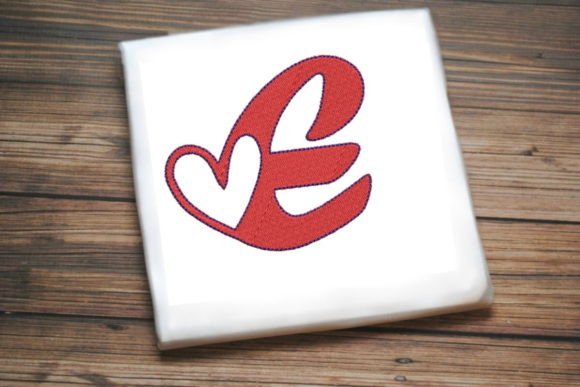
The first thing that strikes me about Letter E with Beautiful Heart is its visual personality. The description promises a design that is "fun and easy to stitch" while remaining "elegant and gorgeous." In my experience, balancing fun with elegance is difficult, but this design appears to achieve it through soft curves and integrated motifs. The heart element softens the rigid structure of the letter E, creating a aesthetic that feels both professional and friendly.
For a small business, this duality is powerful. It does not scream corporate stiffness, nor does it feel overly childish. Instead, it projects a sense of care and attention to detail. This makes it an excellent candidate for brands that want to appear premium yet accessible. Whether you are running a local bakery, a floral studio, or a pet grooming service, the visual language of this design communicates warmth. It fits seamlessly into the Wedding Monogram niche, which often requires this exact blend of romance and clarity, but its utility extends far beyond bridal wear.
Real-World Applications for Small Business Merch
When evaluating a design for small business merch, I always ask: where can this live on a product? Letter E with Beautiful Heart is versatile enough to serve as a primary logo accent or a subtle branding detail. Here is how I envision it performing across different product lines:
- Embroidered Patches: This is perhaps the strongest use case. An embroidered patch featuring this monogram can be sewn onto denim jackets, canvas bags, or hats. Because the design combines a letter with a symbol, it creates a compact, recognizable badge that customers love to collect and wear.
- Staff Uniforms and Aprons: For cafés and boutiques, staff presentation is part of the customer experience. Using this design for apron embroidery adds a personalized touch that elevates the perceived value of the service. It looks particularly effective on the chest pocket area, where it acts as a name tag alternative or a brand identifier.
- Cap Embroidery: Front-panel cap embroidery requires designs that are not too wide. The vertical nature of the letter E, combined with the heart, likely fits well within standard cap hoops. It offers a stylish, understated look for team hats or retail merchandise.
- Tote Bag Design: Canvas totes are a staple for eco-friendly brands. Stitching this monogram on a tote bag transforms a simple utility item into a fashionable accessory. The contrast between the thread and the natural fabric texture can create a rustic, handmade appeal.
Furthermore, this design can enhance custom apparel lines for Etsy sellers. By offering personalized items where the customer’s initial is stitched with this heart motif, you create a high-margin product that feels bespoke. It is also suitable for event merch, such as bridal party robes or family reunion shirts, leveraging its classification as a wedding-oriented asset.
Technical Considerations and Production Challenges
While the aesthetic appeal is clear, a professional review must address technical execution. The description states it is "easy to stitch," but "easy" is relative to machine capability and fabric choice. Here are the critical factors I advise checking before full-scale production:
Stitch Density and Fabric Texture: If the design has high stitch density, it may pucker lightweight fabrics like silk or thin cotton. Always test on the specific material you intend to use. For textured fabrics like terry cloth or heavy denim, ensure the satin stitches covering the letter E are wide enough to bridge the fabric gaps without sinking in.
Size Limitations: When scaling down for small patches or sleeve details, fine details can get lost. The heart element must remain distinct from the letter E at smaller sizes. I recommend stitching a test sample at your smallest intended size to verify that the shapes do not merge into an unreadable blob. If the details become muddy, the design loses its professional impact.
Thread Colors and Contrast: The success of this design relies heavily on thread colors. On dark uniforms, you will need high-contrast threads to ensure visibility. However, avoid using too many color changes if speed is a priority for your commercial embroidery workflow. A two-tone approach often works best for monograms, keeping production fast and clean.
Stabilizer Selection: Never skip the stabilizer. For stretchy fabrics like jersey tees, a cut-away stabilizer is non-negotiable to prevent distortion over time. For woven fabrics like aprons or tote bags, a tear-away may suffice, but always consider the end-use. Items that undergo frequent washing require robust stabilization to maintain the integrity of the finished product.
Impact on Brand Identity and Customer Trust
Why does the choice of a single monogram matter? Because consistency builds trust. Using Letter E with Beautiful Heart across various touchpoints—from packaging accents to employee uniforms—creates a cohesive brand identity. When customers see the same high-quality embroidery on their tote bag as they do on your shop’s apron, it reinforces professionalism.
In the realm of handmade product sales, perceived value is everything. A well-executed embroidery design signals quality. It tells the buyer that you care about the details. This emotional connection can drive buyer engagement and encourage repeat purchases. Moreover, having a distinct visual asset like this helps your brand stand out in crowded marketplaces like Etsy or local craft fairs. It becomes a signature mark that customers associate with your specific style of care and creativity.
Designer Notes for Best Results
Before you load this digital embroidery file into your machine for a client order, follow these practical steps:
- Test in Black and White: Stitch the design in black thread on white fabric first. This reveals any structural issues or spacing problems without the distraction of color.
- Check Hoop Size Compatibility: Confirm the required hoop size matches your machine’s capabilities. While the description does not specify dimensions, most monograms fit within 4x4 or 5x7 hoops. Verify this in the file details.
- Create a Printable Mockup: Use a printable mockup to show clients how the design will look on their specific garment. This manages expectations and reduces approval time.
- Review Licensing: Ensure you have the correct commercial license. The description implies decorative use, but for design assets used in mass-produced merchandise, explicit commercial rights are crucial.
- Inspect Spacing: Look closely at the connection points between the heart and the letter. Ensure there are no loose jumps or unnecessary trims that could weaken the structure during washing.
In conclusion, Letter E with Beautiful Heart is a promising addition to any embroidery designer’s library. It bridges the gap between decorative flair and professional branding. By paying attention to technical details like stabilizer choice and stitch density, you can leverage this design to create stunning, high-value merchandise that enhances your brand’s reputation. Always remember to check the specific file specifications for stitch count and format compatibility, as these details are vital for a smooth production process. With careful execution, this monogram can become a cornerstone of your small business’s visual identity.