Baby Lamb Embroidery: A Designer’s Review for Boutique Sweatshirts
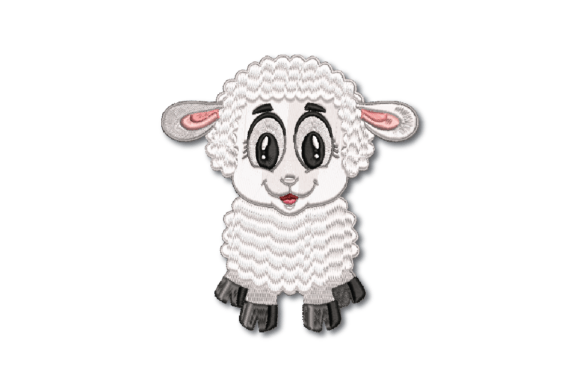
As an embroidery designer who has spent years refining digitized artwork for commercial apparel, I approach every new machine embroidery design with a critical eye. It is not just about whether the image looks cute on a screen; it is about how those stitches will behave on thick fleece, how they hold up after fifty washes, and whether they elevate the perceived value of the garment. Recently, I evaluated the Baby Lamb design for a potential inclusion in a premium sweatshirt collection for a small boutique brand. This review breaks down the aesthetic appeal, technical considerations, and commercial viability of this piece within the Baby Animals category.
First Impressions: Mood and Stitching Personality
The first thing that strikes you about Baby Lamb is its inherent softness. In the world of Embroidery, certain subjects demand a specific touch, and lamb imagery naturally leans toward the gentle, the rustic, and the comforting. The design captures a playful yet serene mood, making it an ideal candidate for cozy seasonal apparel. When I loaded the digital embroidery file into my simulation software, the stitch flow appeared logical, suggesting a balanced approach to fill stitches and satin borders.
For a boutique brand aiming to convey warmth and authenticity, this design hits the right notes. It does not scream for attention with aggressive boldness; instead, it offers a decorative charm that feels handmade and thoughtful. The level of detail seems sufficient to create recognition without becoming so dense that it compromises the drape of the fabric. This balance is crucial when creating a handmade product that needs to feel luxurious rather than mass-produced.
Visualizing Baby Lamb on Sweatshirt Fabrics
The true test of any hoodie design is how it interacts with various fabric textures and colors. I mentally placed Baby Lamb on several standard blanks used by Etsy sellers and small shop owners. On neutral sweatshirts, such as oatmeal, heather gray, or cream, the design shines. The light background allows for subtle thread color variations, creating a sophisticated, tonal look that appeals to customers seeking minimal aesthetics.
However, the design also holds its own on darker fabrics. Imagine a deep charcoal or navy oversized hoodie. Here, the contrast becomes a key selling point. Using crisp white or soft pastel thread colors would make the lamb pop, creating a striking visual against the dark fleece. For pastel-colored apparel, such as blush pink or baby blue, the design maintains a feminine and delicate presence, perfect for spring collections or nursery-themed merchandise.
The placement possibilities are versatile. While a left-chest placement is standard for a subtle branding effect, Baby Lamb has the character to work as a larger back design on an oversized fit. It could also serve as a charming sleeve accent, adding a unique detail that encourages customers to look closer. These variations allow a small shop product line to feel diverse and well-curated.
Technical Considerations for Commercial Embroidery
From a technical standpoint, working with sweatshirt materials requires careful planning. Fleece and French terry are thick, textured, and prone to shifting. The product description wisely notes that "any alteration on the files may affect the output." This is a critical reminder for designers. Changing the scale or modifying stitch paths without proper testing can lead to puckering or thread breaks.
Stitch density is a primary concern. If the design is too dense, it will create a stiff patch on the soft sweatshirt, ruining the hand-feel. If it is too sparse, the fabric texture might show through, making the embroidery look unfinished. Based on the visual complexity of Baby Lamb, it appears to strike a middle ground, but I always recommend checking the specific stitch count and density settings in your software before production.
Stabilizer choice is equally vital. For sweatshirt embroidery, a cut-away stabilizer is generally preferred over tear-away because it provides ongoing support for the stitches during wear and washing. Given the loft of sweatshirt fabric, using a topping or water-soluble film can help prevent the stitches from sinking into the fleece, ensuring the details of the lamb remain crisp and readable.
Another practical concern is the hoop size. Ensure that the design fits comfortably within your machine’s hoop capabilities while leaving enough margin for secure clamping. If you are producing a large batch for commercial embroidery, consistency in hooping tension is key to avoiding distortion.
Enhancing Brand Identity and Product Value
In the competitive landscape of online retail, particularly for custom apparel, the quality of your embroidery directly influences buyer trust. A well-executed Baby Lamb design signals professionalism. It tells the customer that the brand cares about details. This perception increases the perceived value of the garment, allowing boutique brands to command higher price points.
When creating listings for an Etsy seller or a standalone webshop, the visual presentation is everything. High-quality printable mockup images showing the embroidery on realistic fabric textures can significantly boost conversion rates. Showcasing the design on lifestyle products—such as a model wearing the hoodie in a cozy coffee shop setting—helps customers visualize the item in their own lives. This emotional connection drives customer engagement and fosters brand loyalty.
Furthermore, consistent use of thematic design assets like Baby Lamb helps build a recognizable brand identity. If a shop specializes in rustic or nature-inspired goods, this design reinforces that narrative. It becomes more than just a picture; it becomes part of the brand’s story.
Best Practices for Production and Quality Control
The product description includes a crucial instruction: "Remember to always run a sample of the files on the test fabric before stitching on." I cannot stress this enough. Never skip the sampling phase. Every batch of sweatshirts can vary slightly in thickness and composition. A test stitch-out allows you to adjust tension, check for thread breaks, and verify that the finished product meets your quality standards.
During testing, pay attention to the readability of the design at smaller sizes. If you plan to offer this as a pocket emblem, ensure the finer details of the lamb’s face or wool texture do not merge into a blob. If they do, you may need to simplify the design or increase the size slightly. Always document your settings for successful runs so you can replicate the quality across future orders.
Washing durability is another factor to consider. After stitching your sample, wash and dry it according to the care instructions you will provide to customers. Check for any loosening threads or distortion. A robust design should withstand regular laundering without losing its shape or vibrancy.
Final Verdict for Boutique Owners
The Baby Lamb embroidery design is a strong contender for any boutique brand looking to add a touch of whimsy and warmth to their apparel line. Its versatility across different fabric colors and its suitability for various placements make it a flexible asset for small clothing brands and creative entrepreneurs. By respecting the technical requirements of sweatshirt embroidery and adhering to best practices for testing and stabilization, you can produce a high-quality handmade product that resonates with customers.
Whether you are launching a new seasonal drop or expanding your catalog of Baby Animals themed items, this design offers the potential for both aesthetic appeal and commercial success. Just remember to treat the embroidery file with care, respect the material constraints, and let the quality of your stitching speak for your brand.