Circus Embroidery: A Designer’s Review for Craft Fairs
As an embroidery designer who has spent countless weekends behind a booth table, I know that the difference between a browsing customer and a buying customer often comes down to visual impact. When I first loaded the Circus machine embroidery design into my software, my immediate goal was to determine if it had the "shelf appeal" necessary for a busy handmade market. The product description promises an adorable look that gives fabrics an extraordinary accent, but in the real world of craft fair sales, we need more than just cute; we need clarity, speed, and versatility.
First Impressions: Whimsy Meets Marketability
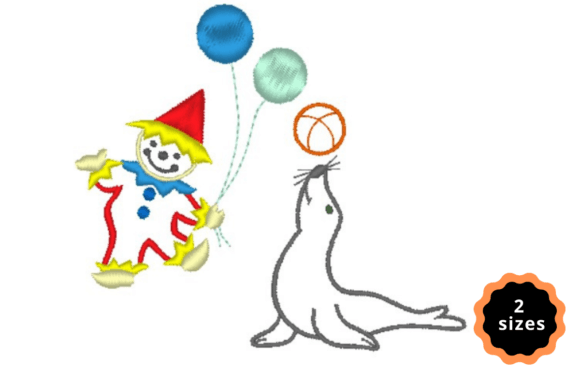
The Circus theme immediately evokes a sense of playfulness. In a market saturated with farmhouse florals and minimalistic line art, a well-executed circus motif stands out because it taps into nostalgia and joy. My first impression was that this design feels bold yet approachable. It does not scream for attention with aggressive complexity; rather, it invites the viewer in with a friendly aesthetic. For a craft fair product, this is crucial. Customers walking past your table have seconds to decide if they should stop. A design that reads as "fun" and "high-quality" from three feet away is a winner.
However, "adorable" can sometimes mean "small and fiddly." The description notes that this design comes with multiple embroidery options, which suggests versatility. As a designer, I look for designs that can scale. Can this work as a tiny pocket accent on a onesie? Can it hold its own as a large focal point on a tote bag? The success of Circus depends heavily on how these variations are utilized in your final finished product.
Strategic Product Placement for Maximum Sales
To truly evaluate Circus, I imagined setting up my standard weekend booth display. I pulled out various blanks to see where this design would shine brightest. Here is how I believe this embroidery file performs across different categories:
- Tote Bags and Market Bags: This is likely the strongest contender. A tote bag offers a large, flat canvas. Placing the Circus design centrally or on the lower corner creates an instant statement piece. The contrast of colorful threads against natural canvas or denim makes the design pop, encouraging impulse buys from parents or gift-seekers.
- Aprons and Kitchen Textiles: For apron embroidery, placement is key. A chest-pocket placement works beautifully here. Similarly, for tea towel embroidery, ensure the design is not too dense. Towels have a loose weave, and heavy stitching can cause puckering. If the design has open spaces, it will lay flat and look professional.
- Embroidered Patches: If you sell accessories, turning this design into an iron-on or sew-on patch is a smart move. Patches allow customers to customize their own jackets or bags. The Circus motif, being inherently graphic, translates well to the defined edges required for patches.
- Caps and Curved Surfaces: This requires caution. Curved cap surfaces distort designs. If the Circus design has wide elements, it may look warped on a dad hat. I recommend testing this on a curved hoop first. If the design is compact, it may work as a side-panel accent rather than a front-center feature.
Production Practicality for the Small Shop Owner
For the Etsy seller or boutique maker, time is money. A design might look beautiful, but if it takes four hours to stitch and frequently breaks threads, it is not viable for batch production. The description mentions that the design comes with multiple embroidery formats, which is a positive sign for compatibility. However, you must verify the stitch density.
High-density areas can make fabric stiff and uncomfortable, especially on wearables like baby clothes or aprons. Low-density designs stitch faster and feel softer. When reviewing Circus, check the underlay stitches. Good underlay ensures the design stays put without excessive top-thread buildup. If you are producing fifty units for a holiday market, you need a design that runs smoothly. I advise running a test on scrap fabric identical to your production material. Check for thread breaks, nesting, and overall stitch quality before committing to your main inventory.
Navigating Fabric and Thread Challenges
The visual appeal of Circus relies heavily on thread colors. Circus themes typically demand vibrant, contrasting hues. However, working with bright threads on dark fabrics requires careful planning. You may need a white or light-colored underlay to prevent the background fabric from showing through the stitches. Conversely, on textured towels, fine details might get lost in the fabric pile. Always consider the fabric texture when selecting which version of the design to use.
Another critical factor is the hoop size. Ensure you are using the correct hoop for the specific file variant you choose. Hooping too tightly on stretchy fabrics can lead to distortion, while hooping too loosely causes shifting. For a small shop product, consistency is your brand promise. Every item should look identical in quality. Use a reliable stabilizer—cut-away for stretchy knits and tear-away for stable wovens—to support the stitches and maintain the integrity of the design.
Marketing and Visual Engagement
In the digital age, your physical product must also perform online. How does Circus photograph? Bold, colorful designs tend to perform well on social media platforms like Instagram and Pinterest. They stop the scroll. When creating your printable mockup or listing images for your digital embroidery file or finished goods, ensure the lighting highlights the texture of the stitches. Flat lighting can make embroidery look like a print, diminishing the perceived value.
For those selling the digital embroidery file itself, your listing needs to show the design on various items. Potential buyers want to see how the design assets translate to real life. Include images of the design on a tote, a shirt, and a patch. This helps the customer visualize the potential, increasing the likelihood of purchase. Remember, you are selling not just a pattern, but the possibility of a unique handmade product.
Final Verdict for the Creative Entrepreneur
The Circus embroidery design holds significant potential for craft fair sellers and online boutiques. Its whimsical nature appeals to a broad demographic, from children to adults who appreciate nostalgic aesthetics. To maximize its success, focus on high-visibility products like tote bags and patches where the design can be seen clearly. Pay close attention to technical details such as stabilizer choice and thread contrast to ensure a premium finish.
Before launching your full line, create at least one real mockup. Compare how the design looks on different fabric colors. Does it sing on navy blue? Does it vanish on white? These small tests save you from costly mistakes. Finally, always confirm the commercial licensing terms provided with the machine embroidery design. Knowing you have the right to sell finished products gives you peace of mind as you build your brand. With careful execution, Circus can become a staple in your booth, drawing eyes and opening wallets with its charming, extraordinary look.