Bow Tie Embroidery Review for Small Business Merch
As an embroidery designer who has spent years digitizing files and consulting with small business owners, I approach every new machine embroidery design with a critical eye. It is not just about whether a motif looks cute on a screen; it is about how it performs on fabric, how it elevates a brand, and whether it holds up in the wash. Today, I am reviewing the Bow Tie design, a piece categorized under Accessories that promises to make fabrics more elegant. For boutique owners, Etsy sellers, and apparel decorators, understanding the practical application of this design is crucial before adding it to your commercial library.
First Impressions: Elegance Meets Playfulness
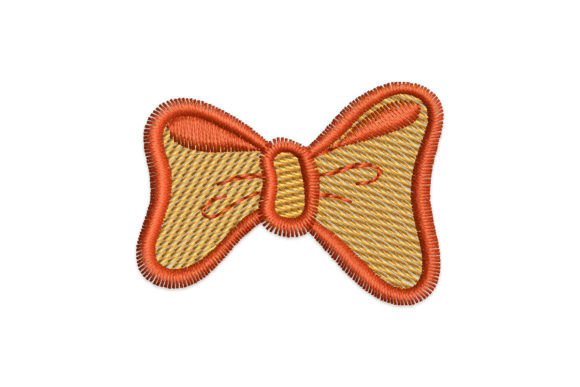
The Bow Tie description highlights its ability to complement shirt collars, pockets, hoodies, and jeans. From a design perspective, this suggests versatility. The bow tie is a classic symbol, often associated with formality, but when rendered in embroidery, it can take on a playful, handmade charm. My first impression is that this design leans towards a "smart-casual" aesthetic. It feels professional enough for a staff uniform yet friendly enough for customer gifts. It does not scream loud or aggressive branding; instead, it offers a subtle, decorative touch that implies attention to detail. For brands aiming for a premium or curated look, this visual personality is a significant asset.
Real-World Applications for Small Business Merch
When evaluating a digital embroidery file for commercial use, I always map out potential products. The Bow Tie is particularly strong in several key areas for small business merchandising.
- Staff Uniforms and Aprons: For cafes, bakeries, or florists, an embroidered bow tie on an apron adds a touch of whimsy and professionalism. It serves as a subtle logo alternative or a complementary accent to a primary brand mark. The description notes it complements pockets, making it ideal for chest-placement on work shirts.
- Custom Apparel: On hoodies and jeans, the design acts as a focal point. Unlike large back prints, a small bow tie on the sleeve or near the hem offers a sophisticated, boutique feel. It transforms a basic garment into a custom apparel piece that customers perceive as higher value.
- Embroidered Patches: This is perhaps the most lucrative application. A well-digitized bow tie makes for an excellent iron-on or sew-on patch. These can be sold as standalone accessories or used to brand tote bags and hats without committing to direct embroidery on every item.
- Tote Bag Design: Canvas totes are staples for handmade brands. Placing the Bow Tie near the handle or centered on the front creates a clean, recognizable mark. It reinforces brand identity without overwhelming the bag’s utility.
Navigating Technical Challenges and Fabric Constraints
While the aesthetic appeal is clear, the technical execution requires careful consideration. As a designer, I must warn against assuming one size fits all. The success of this embroidery file depends heavily on stitch density and fabric texture.
Cap Embroidery presents a unique challenge. Curved surfaces distort designs. If the Bow Tie has high stitch density, it may pucker the stiff front panel of a cap. I recommend testing a lower density version or ensuring the design is scaled appropriately for the limited space on a hat front. Similarly, for small patch sizes, fine details can get lost. If the bow tie includes intricate outlines or tiny central knots, these may merge into a solid blob when shrunk below two inches. Always check the minimum recommended size provided by the digitizer.
Fabric texture also plays a pivotal role. On smooth cotton or polyester blends, the design will pop. However, on textured fabrics like terry cloth towels or heavy denim, the stitches may sink in. Using a cutaway stabilizer is non-negotiable for durability, especially for items like jeans that undergo frequent washing. For dark uniforms, consider how the thread colors contrast. A pastel bow tie on black fabric needs dense underlay stitching to prevent the background from showing through, which can increase stiffness.
Enhancing Brand Identity and Customer Trust
Why choose a bow tie over a generic shape? It comes down to brand identity. Consistency in visual assets builds trust. If your brand voice is elegant, quirky, or traditionally charming, the Bow Tie reinforces that narrative. It signals to the customer that you care about presentation. In the world of handmade product sales, these small details differentiate your offerings from mass-produced goods. An embroidered accent suggests labor, skill, and quality, which justifies a higher price point and increases buyer engagement.
Furthermore, using consistent design assets across various touchpoints—from packaging accents to employee uniforms—creates a cohesive professional image. When a customer receives a tote bag with the same bow tie motif seen on your website’s printable mockup, it validates their purchase decision and enhances brand recognition.
Practical Designer Notes for Production
Before running a full production batch of commercial embroidery projects, follow these essential steps to ensure quality control:
- Test in Black and White First: Remove color variables to evaluate the structure. Does the shape hold its integrity? Are there any gaps in the satin stitches?
- Check Hoop Size Compatibility: Confirm the design fits within your standard hoop sizes. If it requires a large hoop for a small motif, it may be inefficient for high-volume production.
- Review Thread Color Contrast: Select threads that align with your brand palette. Test combinations on actual fabric swatches to ensure visibility and aesthetic harmony.
- Inspect Spacing and Density: Look for areas where stitches are too close, which can cause thread breaks, or too sparse, which reveals the fabric underneath.
- Create a Mockup for Client Approval: If working with B2B clients, provide a realistic printable mockup showing the Bow Tie on their specific garment. This manages expectations and reduces revision requests.
- Confirm Commercial Licensing: Never assume a file is free for resale. Verify the license terms of the digital embroidery file to ensure you are compliant when selling finished products or patches.
Final Verdict on the Bow Tie Design
The Bow Tie is a versatile addition to any embroidery designer’s toolkit, particularly for those serving lifestyle brands, boutiques, and hospitality businesses. Its strength lies in its ability to bridge the gap between formal elegance and casual charm. While it requires careful attention to stitch density and stabilizer choice, especially on curved or textured surfaces, the payoff is a polished, professional finish that enhances small business merch. By integrating this design into your product line—whether as a standalone patch, an apron accent, or a tote bag detail—you add a layer of perceived value that resonates with customers seeking quality and character. Always prioritize testing on real fabric to confirm the finished product meets your standards, ensuring that every stitch contributes positively to your brand’s reputation.