Eskimo Embroidery Design Review for Small Business Merch
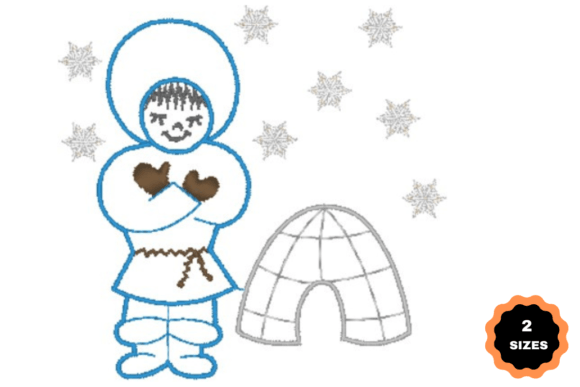
As an embroidery designer who has spent years digitizing and testing files for commercial use, I approach every new machine embroidery design with a critical eye. It is not enough for a pattern to simply look cute on a screen; it must perform under the needle, hold up to washing, and serve a strategic purpose for the brand using it. Recently, I reviewed the Eskimo design, a charming addition to the Winter category that promises to give fabrics an extraordinary look. For small business owners, Etsy sellers, and apparel decorators, this review breaks down how this lovely embroidery design can be leveraged for branded patches, custom apparel, and high-value merchandise.
First Impressions: Visual Personality and Brand Fit
The immediate impression of the Eskimo design is one of warmth and approachability. In the world of branding, visual personality dictates customer engagement. This design does not scream corporate rigidity; instead, it offers a friendly, handmade aesthetic that resonates deeply with boutique markets. Whether you run a local bakery, a pet brand, a florist shop, or a creative studio, the playful yet classic nature of this motif can soften your brand identity. It feels rustic enough for a cabin-style lodge but clean enough for modern retail spaces. When considering brand identity, consistency is key. If your business values comfort, nostalgia, or artisanal quality, this design acts as a perfect visual anchor.
Real-World Applications for Small Business Merch
The true test of any digital embroidery file is its versatility across different products. Here is how I envision Eskimo performing in real commercial scenarios:
- Embroidered Patches: This is perhaps the strongest use case. Patches are trending in small business merch because they allow customers to customize their own gear. Sewing this design onto a twill backing creates a durable, premium add-on that can be sold separately or attached to jackets and bags.
- Staff Uniforms and Aprons: For cafés and boutiques, staff appearance is part of the customer experience. An apron embroidery featuring this design adds a touch of whimsy to otherwise standard uniforms. It signals attention to detail and care, which builds customer trust.
- Cap Embroidery: Headwear is a staple of promotional products. Placing Eskimo on the front panel of a dad hat or beanie can create a standout look. However, curvature matters. The design must be centered perfectly to avoid distortion on the curved surface of a cap.
- Tote Bag Design: Reusable totes are excellent canvas for larger embroidery projects. A well-placed motif on a canvas tote transforms a simple bag into a statement piece, increasing the perceived value of the finished product.
- Product Packaging Accents: Imagine sewing this design onto a small fabric tag attached to handmade goods. It serves as a unique label that distinguishes your handmade product from mass-produced competitors.
Technical Considerations for Professional Results
While the description notes that this machine embroidery design comes with multiple options, professional decorators must dig deeper than the preview image. Before running a production batch, you must evaluate technical constraints to ensure quality.
Stitch Density and Fabric Texture
One common pitfall in commercial embroidery is ignoring stitch density. If the Eskimo design has high density, it may cause puckering on lightweight fabrics like thin cotton or silk. Conversely, on heavy textures like denim or canvas, the stitches need to be dense enough to cover the fabric weave completely. Always test the design on the exact material you plan to use. If you are working with textured fabric, you may need to adjust tension or use a cut-away stabilizer to prevent the design from sinking into the material.
Hoop Size and Placement
Confirm the required hoop size before purchasing. Small business owners often work with limited hoop capacities. If the design is too large for a standard 4x4 hoop, you may need to resize it, which can affect stitch integrity. Additionally, consider placement. On a chest logo accent, the design should be small and crisp. On a tote bag, it can be larger and more detailed. Never assume a design scales perfectly without checking the digitizing quality at smaller sizes.
Thread Colors and Contrast
The description mentions it gives fabrics an extraordinary look, but color choice is subjective. For dark uniforms, ensure the thread colors provide sufficient contrast. A low-contrast design on a black shirt will disappear. I recommend creating a printable mockup with various colorways to see which combinations offer the best visibility and aesthetic appeal. Test it in black and white first to check if the shape holds up without relying on color differentiation.
Strategic Value: Enhancing Customer Perception
Why invest in a specific design like Eskimo? Because embroidery elevates perceived value. Printed logos can fade or crack; embroidered designs convey permanence and quality. When a customer receives a item with this embroidery file stitched onto it, they perceive the brand as established and professional. This is crucial for commercial embroidery projects where margins depend on perceived worth. Furthermore, unique design assets help in building recognition. If your local business uses this motif consistently across aprons, patches, and packaging, it becomes a recognizable symbol of your brand’s promise.
Where to Use Caution
Not every application is suitable. Avoid using this design on items that undergo extreme industrial washing unless you have tested its durability thoroughly. Be cautious with tiny lettering if the design includes text elements, as these can become illegible at small patch sizes. Also, avoid placing complex details on highly stretchy fabrics without proper stabilization, as the movement of the fabric can distort the stitches over time.
Final Designer Notes for Implementation
To get the most out of the Eskimo design, follow these practical steps:
- Check Licensing: Confirm commercial licensing terms before using the file for client work or resale. The description implies multiple formats, but always verify usage rights.
- Create Mockups: Use digital tools to place the design on photos of your actual products. This helps in marketing and client approval before stitching begins.
- Test on Scrap Fabric: Never run a new design on final inventory first. Stitch it out on similar scrap material to check for thread breaks, nesting, or puckering.
- Compare Assets: Place Eskimo beside your existing logo and design assets. Ensure it complements rather than clashes with your current visual language.
- Inspect Spacing: Look closely at the spacing between elements. Tight spacing can lead to thread bunching, while wide spacing might expose the backing material.
In conclusion, the Eskimo embroidery design offers significant potential for small businesses looking to add a touch of winter charm and professional polish to their merchandise. By understanding its technical requirements and strategic applications, you can transform a simple digital file into a powerful tool for brand building and customer engagement. Whether used for custom apparel, branded patches, or boutique accessories, this design can help your business stand out in a crowded market.