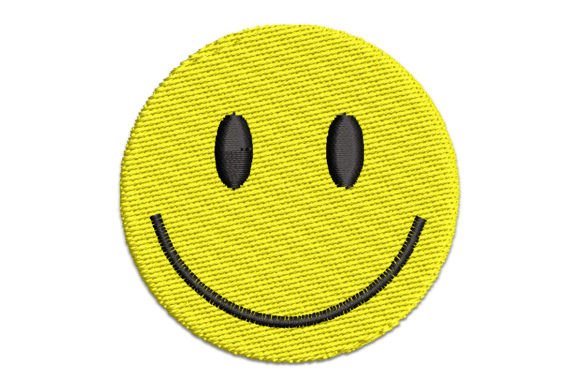
Smiley Face Emoji: A Designer’s Review
As an embroidery designer who has spent countless hours digitizing, testing, and critiquing machine embroidery files, I have learned that the simplest designs are often the hardest to get right. There is a deceptive complexity in minimalism. When I first loaded the Smiley Face Emoji design into my software, my initial reaction was one of cautious optimism. It promises to be a cute smiley face that cheers you up every time you see it, but in the world of professional embroidery, "cute" must translate to "clean." I needed to know if this digital embroidery file could hold its own in real-world applications, from high-volume craft business orders to delicate personalized gifts.
First Impressions and Visual Personality
The visual personality of this design is immediately recognizable. The smiley face is a universal symbol, transcending language and age barriers. This makes it a powerful asset for any maker looking to create instant emotional connections with their customers. The layout appears straightforward, relying on bold shapes rather than intricate shading. For an embroidery project, this is generally a positive trait. Complex gradients often turn into muddy messes on fabric, whereas strong, clear lines tend to stitch out with clarity.
However, simplicity demands precision. When evaluating a design like this, I look closely at the curve quality. Are the arcs of the eyes and mouth smooth, or do they appear jagged in the preview? A jagged curve in a digital preview often translates to visible stair-stepping on the finished product. Based on the description stating it will look fantastic on clothes and backpacks, I assume the digitizer has prioritized smooth satin stitches or well-defined running stitches to maintain that iconic roundness. The mood it creates is undeniably cheerful, making it a natural fit for items intended to bring joy, such as baby embroidery projects or upbeat room decor.
Real-World Application: The Tote Bag Test
To truly evaluate the Smiley Face Emoji, I mentally placed it into a common commercial scenario: a custom canvas tote bag. This is a staple item for Etsy sellers and small shop products. Canvas is a sturdy fabric with a noticeable weave texture. A design with low stitch density might sink into the fabric, losing its definition. Conversely, a design that is too dense can cause puckering, especially on a large surface area like a tote.
In this context, the smiley face performs well because of its compact nature. It does not require a massive hoop size, which reduces the risk of hooping errors. When stitched onto a neutral-toned canvas, the bright yellow typically associated with this emoji pops effectively. However, as a reviewer, I must advise checking the thread colors carefully. If the design relies on a specific shade of yellow, ensure your thread library matches it. A dull mustard yellow will not convey the same energy as a vibrant lemon. For a handmade product to feel premium, the vibrancy of the thread must match the vibrancy of the concept.
Versatility Across Product Categories
The description notes that this machine embroidery design c... (continues to suggest versatility). Let’s break down where this design shines and where it requires caution. For sweatshirt embroidery, the plush texture of fleece can swallow small details. If this design uses fine running stitches for the eyes, they might disappear into the pile of a heavy hoodie. In such cases, I recommend increasing the stitch weight or using a slightly larger version of the design to ensure visibility.
On the other hand, for an embroidered patch, this design is ideal. Patches often serve as standalone art pieces. The bold outlines of a smiley face translate beautifully to applique design techniques or dense fill stitches that create a raised, tactile surface. For baby clothes, the softness of the design is appealing, but safety and comfort are paramount. Ensure that the back of the stitching is clean and that no scratchy stabilizer remnants are left near the skin. A personalized gift featuring this face on a baby blanket can be a hit, provided the stitch density is adjusted to keep the fabric flexible.
When considering Toys and Embroidery, this design fits naturally into the creation of soft plushies or decorative pillows. It adds character without overwhelming the form. For school items, such as pencil cases or backpacks, the durability of the stitch path is crucial. These items undergo frequent washing and rough handling. A well-digitized smiley face should withstand multiple wash cycles without unraveling or losing its shape.
Technical Considerations for Designers
Before committing to a large production run or listing this as a digital embroidery file for sale, there are several technical checks every designer must perform. First, test the design on scrap fabric that mimics your final material. If you are stitching on dark fabric, you may need to adjust the underlay stitches to prevent the background color from showing through the yellow threads. This is particularly important for the eyes and mouth, which are likely negative space or contrasting colors.
Stitch density is another critical factor. High density can make a design look rich but can also cause fabric distortion. Low density saves thread and time but may look sparse. Find the balance. For curved surfaces like caps, the design must be centered perfectly. A smiley face that is off-center looks unintentional and amateurish. Use proper stabilizer—cut-away for stretchy fabrics like t-shirts and tear-away for stable wovens like cotton aprons.
Additionally, consider the licensing. If you plan to use this for commercial embroidery projects, confirm the license terms. Can you sell the finished product? Can you include it in a bundle of design assets? Never assume. Clear licensing protects your craft business and builds trust with your buyers.
Enhancing Customer Trust and Brand Consistency
Why choose this specific Smiley Face Emoji over dozens of others available online? Consistency and quality. When a customer buys a personalized gift, they are buying an experience. A clean, well-stitched design reinforces the perception of quality. It shows that the maker cares about the details. This attention to detail builds customer trust and encourages repeat business. For an Etsy seller, high-quality photos of the finished product are essential. A crisp, vibrant smiley face photographs well, making it easier to create compelling printable mockups and social media content.
The design also aids in brand consistency. If your brand voice is playful, friendly, and approachable, this emoji aligns perfectly. It can become a signature element in your boutique branding, appearing on tags, packaging, and various merchandise. This recognition helps buyers engage with your brand on an emotional level.
Final Verdict for Makers and Sellers
The Smiley Face Emoji is more than just a simple graphic; it is a versatile tool in the embroidery designer’s kit. It bridges the gap between trend and timeless appeal. While it may seem basic, its execution determines its success. By paying attention to fabric texture, thread contrast, and stitch density, you can elevate this design from a simple clipart idea to a high-value finished product.
Whether you are creating holiday embroidery for seasonal gifts, designing custom apparel for a local team, or stocking your small shop with cheerful accessories, this design offers a solid foundation. Just remember to test, adjust, and verify your settings. The difference between a good product and a great one often lies in those final, careful adjustments. Embrace the cheerfulness of the design, but respect the technical demands of the medium. When done right, this smiley face will indeed cheer up everyone who sees it, while simultaneously boosting the reputation of your handmade business.