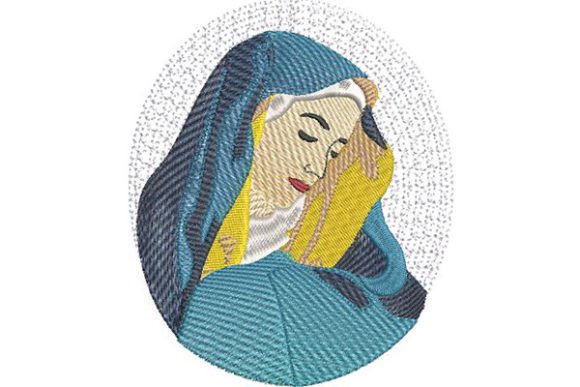
Hail Mary Prayer: A Designer’s Review
As an embroidery designer who has spent years scrutinizing digitized files for stitch quality, flow, and commercial viability, I approach every new machine embroidery design with a critical eye. It is not enough for a pattern to simply look good on a screen; it must perform under the needle. Recently, I evaluated the Hail Mary Prayer design, a piece centered on the Virgin Mary praying. This review breaks down how this design functions in real-world applications, offering practical insights for Etsy sellers, craft business owners, and hobbyists looking to add meaningful Religion-themed items to their portfolios.
First Impressions and Visual Mood
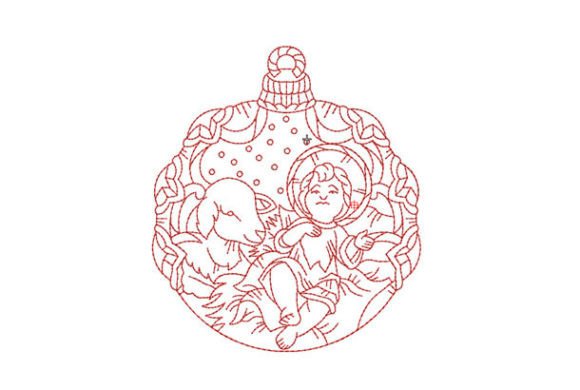
The first thing that strikes you about the Hail Mary Prayer design is its serene composition. The image of the Virgin Mary praying is rendered with a dignity that suits the subject matter. In the world of Embroidery, religious icons can often feel either too cartoonish or overly complex, leading to stitching issues. This design strikes a balance. The layout suggests a focus on clarity and reverence, making it an ideal candidate for projects where emotional resonance matters as much as aesthetic appeal.
The visual personality here is calm and traditional. For a designer, this means the stitch paths likely prioritize smooth transitions over chaotic jumps, which is crucial for maintaining the integrity of the figure’s robes and facial features. When I visualize this stitched out, I see a piece that demands respect in its presentation. It is not a loud, trendy graphic; it is a timeless motif that fits naturally into home decor and personalized apparel.
Real-World Application: The Custom Tote Bag Scenario
To truly test a design’s worth, I imagine it in a specific production scenario. Let’s say a client commissions a custom tote bag for a church group or a family reunion. The Hail Mary Prayer design becomes the centerpiece of this tote bag design. Here, the scale is critical. If the design is too small, the details of the Virgin Mary’s face and hands may merge into a blob of thread. If it is too large, it might overwhelm the fabric structure of a standard canvas bag.
In this context, the design’s suitability for a handmade product shines. A canvas tote provides a stable, woven surface that handles fill stitch areas well. The sturdy nature of the fabric supports the weight of the embroidery without puckering, provided the correct stabilizer is used. For an Etsy seller, this translates to a high-perceived-value item. Customers are not just buying a bag; they are buying a piece of art that reflects their faith. The finished product feels substantial and thoughtful, enhancing customer trust and brand consistency for shops specializing in spiritual or boutique merchandise.
Versatility Across Product Lines
Beyond tote bags, this embroidery file shows promise in several other categories. Consider sweatshirt embroidery. A left-chest placement of a smaller version of this design could serve as a subtle, personal statement on a hoodie or crewneck. The soft texture of fleece or cotton blend sweatshirts requires careful attention to stitch density. If the design is too dense, it can create a stiff patch that feels uncomfortable against the skin. However, if digitized correctly, the satin stitch borders can provide a clean finish that stands out against the fuzzy fabric.
Another viable option is baby embroidery. Imagine this design on a christening gown or a nursery blanket. Here, the gentle theme aligns perfectly with the occasion. However, working with delicate fabrics like satin or fine cotton requires a lighter touch. You might need to reduce the density or use a finer needle to prevent damage to the fabric. The result is a cherished personalized gift that families keep for generations.
Technical Considerations and Potential Pitfalls
While the Hail Mary Prayer design is versatile, it is not without its challenges. As a reviewer, I must highlight where caution is needed. One major concern is the use of this design on stretchy fabric or curved surfaces like caps. Embroidering a detailed figure on a baseball cap requires precise hooping and potentially a different digitizing approach to account for the curve. Without proper stabilization, the design could distort, altering the proportions of the Virgin Mary’s figure.
Additionally, consider the issue of thread colors. Religious imagery often relies on specific color palettes—blues, whites, and golds. On dark fabrics, achieving brightness without excessive bulk can be tricky. You may need to use an underlay or a base layer of white thread to make the colors pop. Conversely, on light fabrics, ensure that the background stitches do not show through unintentionally. Testing the design on both light and dark scrap fabric is essential before committing to a final embroidery project.
Small details are another area of scrutiny. If the design includes intricate elements in the hands or face, these areas are prone to thread breaks or nesting if the stitch count is too high for the thread type being used. For commercial embroidery runs, consistency is key. A design that looks great on one machine might struggle on another if the tension settings are not optimized. Therefore, checking the hoop size compatibility and reviewing the stitch path simulation in your software is a non-negotiable step.
Enhancing Brand Value and Customer Engagement
For small shop product lines, the choice of design directly impacts brand perception. Using a high-quality, respectful depiction of the Virgin Mary signals to customers that you value craftsmanship and sensitivity. This builds emotional connection. When customers see a well-executed embroidered patch or a neatly stitched pillow cover, they perceive higher quality. This perception allows for better pricing power and increased buyer engagement.
Moreover, this design fits seamlessly into seasonal marketing. The description mentions its suitability for Christmas themes. Holiday embroidery is a peak season for many crafters. Incorporating the Hail Mary Prayer into Advent calendars, holiday towels, or gift sets can drive sales. Creating printable mockup images that show the design in situ—on a mantlepiece or wrapped as a gift—helps customers visualize the end result, reducing hesitation in purchasing.
Practical Designer Notes for Implementation
Before you purchase or download this digital embroidery file, keep these practical steps in mind:
- Test on Scrap Fabric: Always run a test stitch-out on the same type of fabric you plan to use for the final product. This reveals issues with tension, density, and registration.
- Check Thread Contrast: Ensure your chosen thread colors provide enough contrast to define the shapes clearly, especially in low-light conditions or from a distance.
- Review Stitch Density: If the design feels stiff after stitching, consider editing the density in your software or using a lighter stabilizer.
- Confirm Hoop Size: Verify that the design fits within your machine’s maximum hoop size. If it is larger, you may need to split the design or use a larger hoop if available.
- Inspect Small Details: Zoom in on the digital preview. Are there tiny, isolated stitches that might cause bird nests? If so, these may need manual editing.
- Licensing Verification: Crucially, confirm the license terms. Can you sell finished items made with this design? Are there restrictions on the number of units? Never assume; always read the license agreement provided with the design assets.
In conclusion, the Hail Mary Prayer design offers a compelling option for designers and makers focused on faith-based and traditional markets. Its strength lies in its emotional resonance and classic aesthetic. However, its success depends entirely on execution. By paying attention to fabric choice, stabilization, and technical settings, you can transform this digital file into a stunning physical object. Whether for a custom apparel line, a boutique home decor collection, or a special personalized gift, this design holds significant potential when handled with professional care.